CAATINGA PARTNERS PROGRAM
An initiative by Bravio that connects companies to the conservation of the Caatinga through the implementation, maintenance, and monitoring of native stingless bee colonies.
By supporting the project, your company contributes to the protection of pollinators, the strengthening of biodiversity, and the appreciation of regional meliponiculture.

THE PROJECT
Investment in biodiversity taking place in the Caatinga.
Adopt a Beehive is the first project of the Caatinga Partners Program. It was created to allow companies to participate in a structured biodiversity conservation initiative, based on the implementation, maintenance, and monitoring of native stingless bee colonies.
The beehive is the starting point. Around it exists a broader action: conservation of pollinators, strengthening of regional stingless beekeeping, generation of complementary income, and monitoring of results.
It is not simply about adopting a beehive. It is about investing in the biodiversity that exists around it.
HOW IT WORKS
From participation to impact.
The project transforms corporate support into structured actions for conservation, monitoring, and regional development.
01
THE COMPANY PARTICIPATES
The organization becomes part of the project and supports a structured biodiversity conservation initiative.
02
WE DEPLOY THE BIUs
The colonies are deployed and linked to the project as Bravio Biodiversity Impact Units.
03
WE CARE FOR AND MONITOR
Bravio monitors management, maintenance, traceability, and indicators alongside our partners.
04
WE MEASURE THE RESULTS
The information allows tracking the evolution of the initiatives and their environmental and social results.

CAATINGA POLLINATORS
Protecting bees is protecting the Caatinga itself.
Native stingless bees participate in pollination and the maintenance of ecosystems. Strengthening their populations means contributing to biodiversity and to the ecosystem services that sustain vegetation and food production.
POLLINATION — Strengthening of ecosystem services.
BIODIVERSITY — Conservation of native pollinators and the Caatinga.
LOCAL DEVELOPMENT — Appreciation of meliponiculture and generation of complementary income.
CAATINGA BIODIVERSITY
The Caatinga is home to different species of native stingless bees, which are important for the pollination of vegetation and the maintenance of the biome's biodiversity.
Adapted to the conditions of the semi-arid region, these bees establish relationships with the native flora and are part of a natural heritage that deserves to be known and conserved.
01
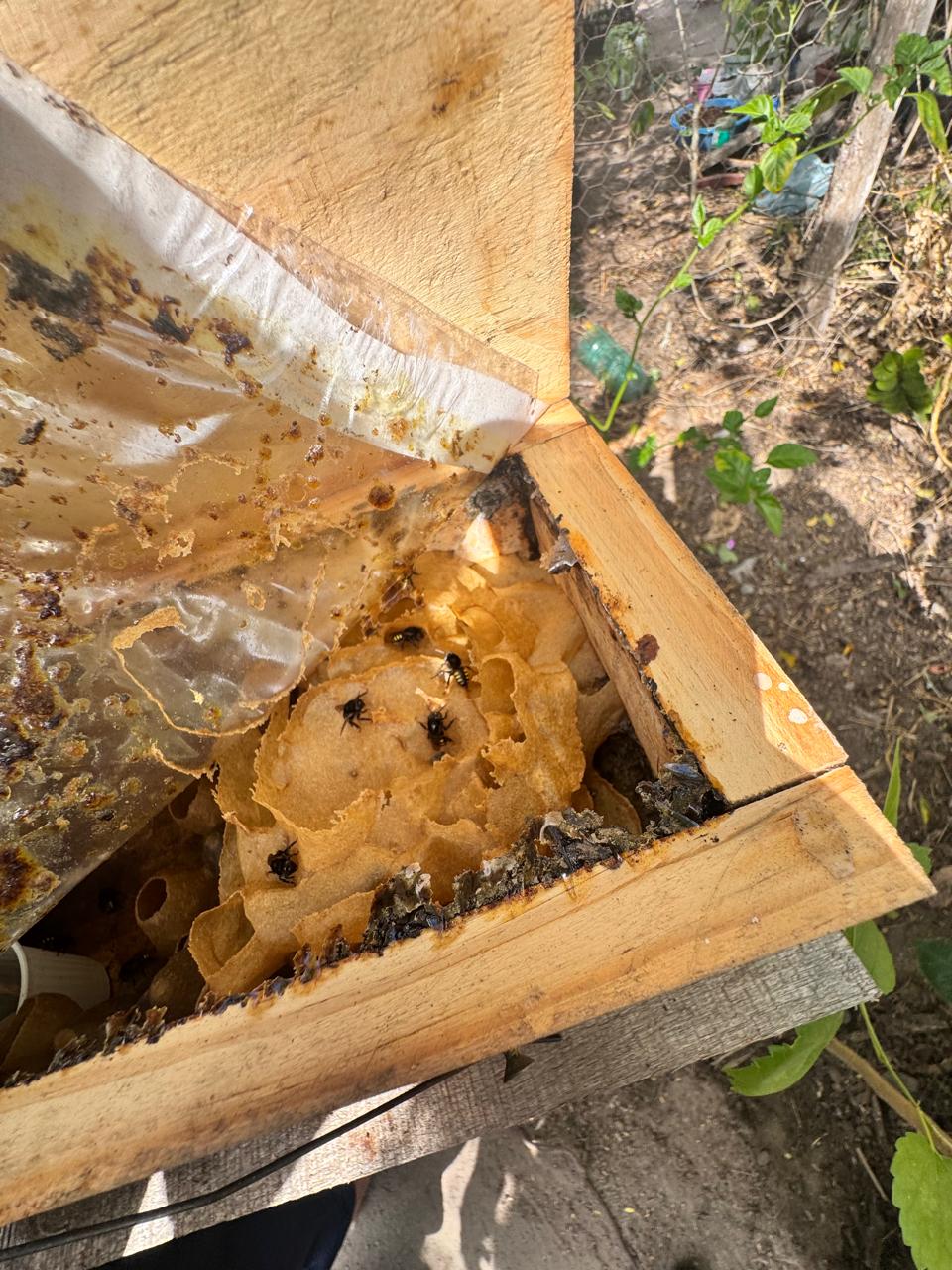
Caatinga mandaçaia bee
Melipona mandacaia
An iconic species of the semi-arid region and endemic to the Caatinga, adapted to the biome's climatic conditions and traditionally known in regional stingless beekeeping.

02
MANDURI
Melipona asilvai
Native bee found in the Caatinga and also known for honey production. It is part of the diversity of stingless bees (meliponines) adapted to semi-arid conditions.
03
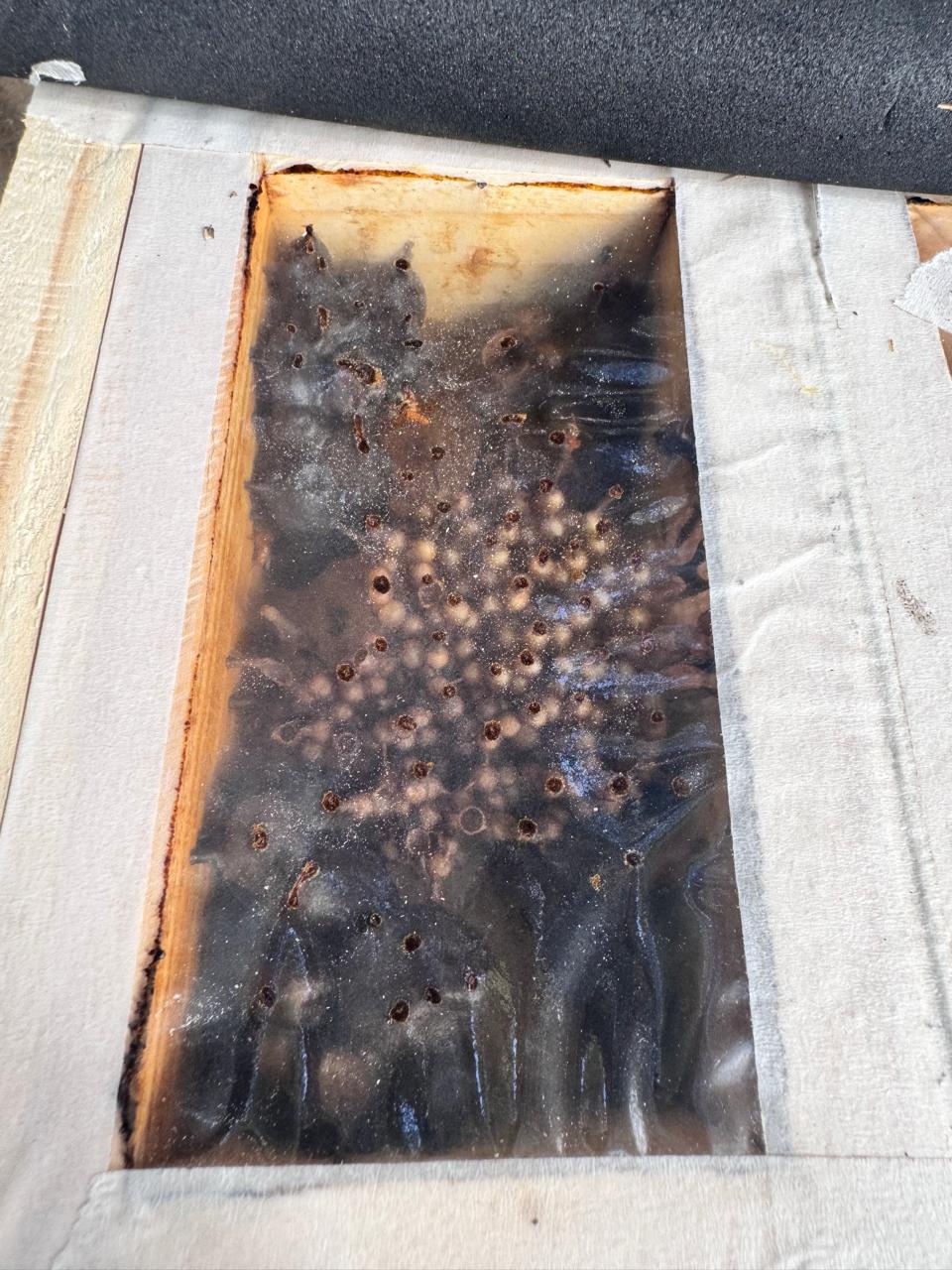
WHITE-BEE
Frieseomelitta doederleini
A small-sized species found in the Caatinga. It nests in cavities and participates in the pollination of different plant species in the environment where it occurs.

04
Jandaíra
Melipona subnitida
One of the most well-known stingless bees in the Northeast and characteristic of the Caatinga, with occurrences reaching areas of Bahia. It is recognized for its ecological importance and the tradition of rearing in the semi-arid region.
ON THE MOVE
Meet the Caatinga mandaçaia bee
One of the emblematic species of the semi-arid region, captured in motion and part of the biodiversity that the project seeks to understand, value, and conserve.
“The Caatinga is home to several species of native stingless bees. The species presented are a few examples found in the biome. The definition of the species used by the project considers their natural occurrence in the implementation region, as well as technical criteria for management and conservation.”
NETWORKING
Conservation also means connecting people.
PARTNER COMPANY → BRAVIO → MELIPONICULTURIST → BEES → CAATINGA
Companies enable the development and continuity of initiatives. Bravio coordinates, implements, follows up and monitors the project. Partner meliponiculturists participate in management and technical activities.
PARTICIPATION MODALITIES
Each company can find its way to participate.
SEED — To get started.
ROOT — To expand the commitment.
CANOPY — To broaden the reach.
LEGACY — To build in the long term.
RESERVE — For special projects.
TRANSPARENCY
Impact needs to be monitored.
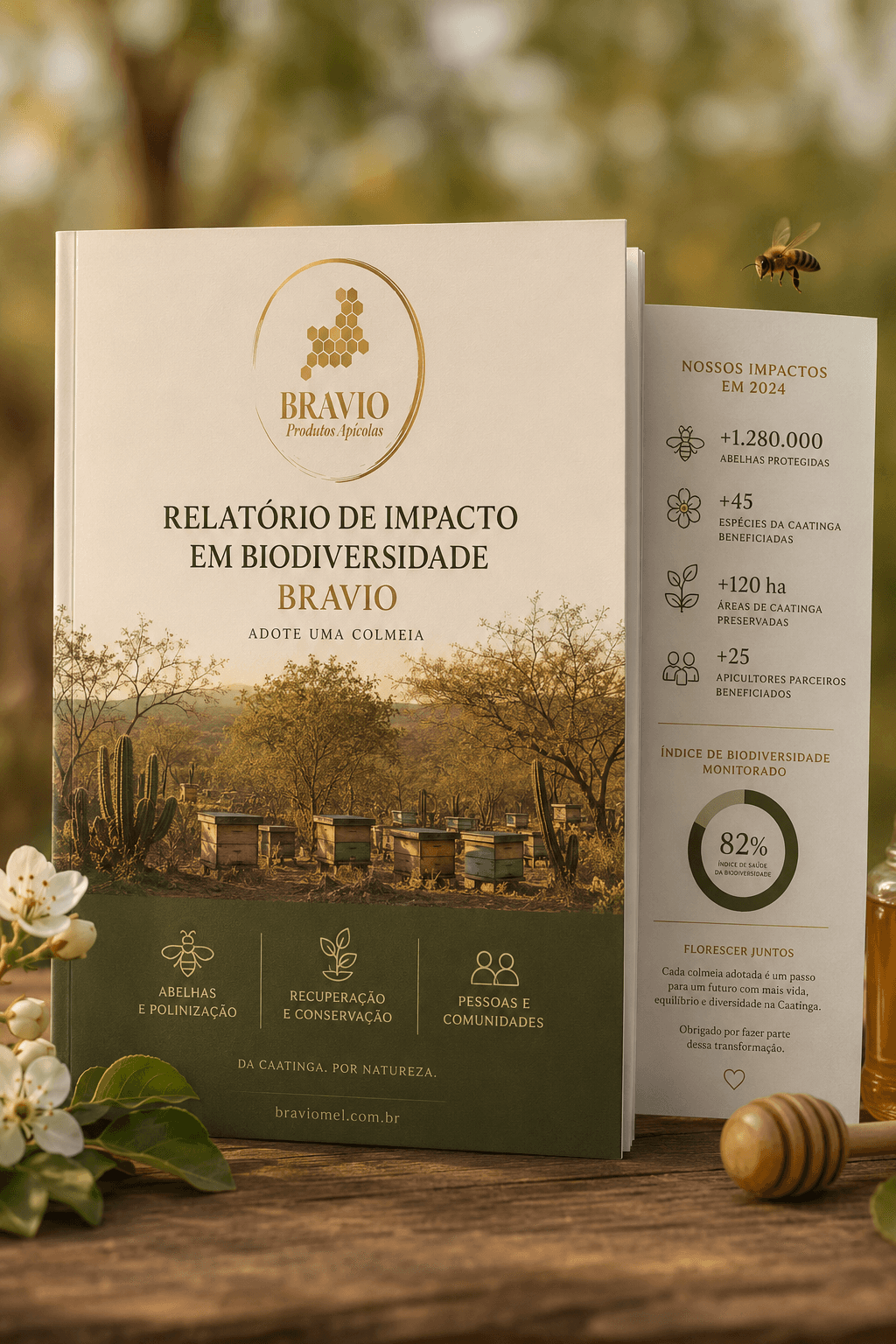
The initiatives are monitored by environmental, social, and operational indicators. Bravio uses UIBs as a monitoring reference and consolidates information through the RIB — Bravio Biodiversity Impact Report.
Monitored colonies · Meliponiculturists involved · Municipalities served · Technical visits · Local development · Traceability of UIBs
A beehive is small. The ecosystem it helps to sustain is not.
Your company can be part of an initiative that connects biodiversity, regional development, and the valuation of people who make their living from the Caatinga.
ADOPT A HIVE. INVEST IN BIODIVERSITY.
